
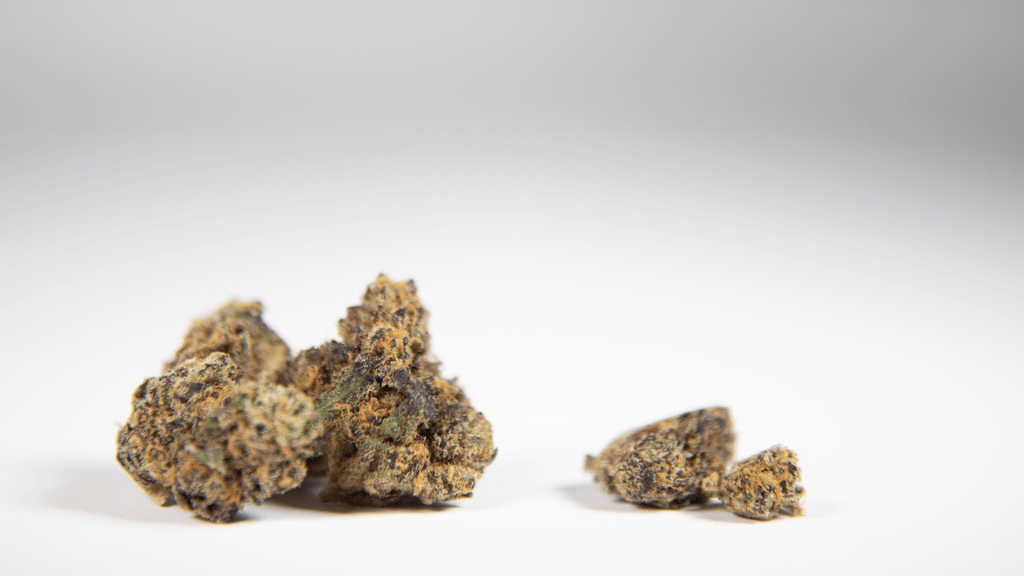
Walk into two different dispensaries and you may notice something surprising: the same cannabis strain can look noticeably different depending on who cultivated it. One batch might feature dense, crystal-coated buds with deep purple hues, while another version of the same strain appears lighter green, slightly airier, or structured differently. For many consumers, this raises questions about quality, authenticity, or potency.
In reality, the appearance of cannabis flower is influenced by a complex combination of factors beyond the strain name alone. Like other agricultural crops, cannabis expresses physical traits based on its genetics, growing environment, cultivation techniques, and post-harvest handling. Even when growers start with the same strain, variations in these conditions can produce distinct differences in color, bud structure, and trichome development. To better understand why these visual changes occur, it’s important to start with the most fundamental factor influencing cannabis plants: genetics.
Genetics: The Foundation of Cannabis Flower Appearance
Genetics are the primary reason cannabis flower appearance varies between cultivators. Even within a single strain, plants grown from seed can express different phenotypes, meaning visible traits like bud structure, color, trichome density, and leaf-to-flower ratio may vary. For example, one phenotype may produce dense, frosty buds while another develops lighter, more airy flowers.
This variability is why many professional cultivators prefer clones, which replicate a specific plant’s genetics and produce more consistent cannabis flower. Although breeders attempt to stabilize strains, genetic variation can still occur. As a result, the same strain grown by different producers may look noticeably different while still sharing similar cannabinoid and terpene profiles.
Cultivation Environment: Indoor, Outdoor, and Greenhouse Differences
Beyond genetics, the cultivation environment plays a major role in why cannabis flower appearance varies between cultivators, even when growing the same strain. Lighting type strongly affects bud density, trichome production, and color expression. Indoor growers commonly use LED or high-pressure sodium (HPS) lights, which allow precise control of light spectrum and intensity. In contrast, outdoor cannabis cultivation relies on natural sunlight, often producing larger but sometimes less dense buds.
Temperature and humidity also influence plant morphology. Cooler nighttime temperatures can trigger anthocyanin pigments, causing purple hues in cannabis flower. Additionally, the growing medium plays a critical role. Living soil systems, coco coir, and hydroponic cannabis cultivation deliver nutrients differently, impacting plant structure and resin development. Research shows that nutrient availability and environmental conditions significantly affect cannabinoid and terpene production, which can indirectly influence how buds look and develop.
Cultivation Techniques That Shape Bud Structure
Cannabis cultivation techniques further shape the final bud structure, density, and overall appearance of cannabis flower. Growers often use plant training methods such as low-stress training (LST), high-stress training (HST), Screen of Green (SCROG), and Sea of Green (SOG) to control canopy shape and maximize light exposure. These methods improve light penetration across the plant canopy, often producing more uniform and dense cannabis flower.
Nutrient programs are another important factor affecting cannabis plant growth and bud formation. Balanced levels of nitrogen, phosphorus, potassium, and essential micronutrients support healthy plant metabolism and resin production. In contrast, nutrient imbalances can alter color, bud density, and overall flower quality.
Harvest timing also plays a critical role in both the visual and chemical characteristics of cannabis. Growers monitor trichome maturity to determine the optimal harvest window, as harvesting earlier or later can influence bud density, cannabinoid levels, and terpene expression in finished cannabis flower.
Post-Harvest Processing: The Hidden Factor Behind Cannabis Flower Appearance
Post-harvest handling is another major factor in cannabis flower appearance, often determining whether buds maintain vibrant color, dense structure, and intact trichomes. After harvest, cannabis must undergo a carefully controlled drying and curing process to preserve cannabinoids, terpenes, and visual quality.
Proper drying typically occurs in environments around 60°F–70°F with controlled humidity, allowing moisture to leave the plant slowly while protecting delicate trichomes, the resin glands responsible for cannabinoid and terpene production. Improper drying conditions can degrade cannabis bud color, aroma, and structure, leaving flowers brittle or dull in appearance.
Trimming also influences cannabis bud aesthetics. Hand-trimmed cannabis tends to retain more trichomes and maintain a fuller structure, while machine-trimmed cannabis may appear more uniform but can remove some resin glands during processing.
Finally, cannabis storage and packaging significantly affect long-term appearance. Exposure to light, oxygen, and fluctuating humidity can degrade cannabinoids and cause buds to lose color and freshness. Research indicates that proper post-harvest practices are essential for maintaining cannabis quality, terpene preservation, and overall visual appeal.
Why Appearance Alone Doesn’t Determine Cannabis Quality
While visual appeal often drives purchasing decisions, cannabis flower appearance does not always reflect its true quality or potency. Many consumers associate dense, frosty buds with higher THC levels, but research shows that cannabinoid content and terpene profiles are influenced more by genetics and cultivation conditions than by visual traits alone.
A flower with modest “bag appeal” may still contain high levels of cannabinoids and therapeutic compounds. Additionally, terpenes, aromatic compounds responsible for cannabis flavor, aroma, and potential effects, can vary widely depending on environmental conditions such as light intensity, temperature, and nutrient availability during cultivation. As a result, two cannabis flowers that look similar may produce very different experiences.
Ultimately, evaluating cannabis quality requires more than visual inspection. Consumers should consider factors such as aroma, freshness, terpene content, and verified lab testing results rather than relying solely on appearance when selecting cannabis flower.
Conclusion
Cannabis flower appearance can vary widely between growers due to differences in genetics, cultivation environment, growing techniques, and post-harvest processing. Even when cultivators grow the same cannabis strain, factors like lighting, nutrients, and curing methods influence bud structure, color, and trichome development. Because cannabis is an agricultural crop with natural variation, visual differences are expected. Ultimately, consumers should evaluate cannabis flower quality using aroma, freshness, and verified lab results, not just appearance.
References
- Clarke, R. C., & Merlin, M. (2013). Cannabis: Evolution and Ethnobotany. University of California Press. https://www.ucpress.edu/book/9780520270480/cannabis-evolution-and-ethnobotany
- Small, E. (2015). Evolution and classification of Cannabis sativa. Frontiers in Plant Science. https://doi.org/10.3389/fpls.2015.00531
- Potter, D. (2014). A Review of the Cultivation and Processing of Cannabis. https://doi.org/10.1093/jxb/eru215
- Saloner, A., & Bernstein, N. (2020). Environmental Effects on Cannabis Secondary Metabolites. https://doi.org/10.3389/fpls.2020.00437
- University of Minnesota Extension — Cannabis cultivation basics: https://extension.umn.edu
- Frontiers in Plant Science — Cannabis cultivation research: https://www.frontiersin.org/journals/plant-science
- Llewellyn, D., et al. (2021). Cannabis sativa: The Plant of the Thousand and One Molecules. Frontiers in Plant Science. https://www.frontiersin.org/articles/10.3389/fpls.2021.583443/full
- Jin, D., Henry, P., Shan, J., Chen, J., & Miller, S. (2020). The Cannabis sativa Versatile Plant: A Review of Postharvest Processing and Product Stability. Journal of Cannabis Research. https://www.ncbi.nlm.nih.gov/pmc/articles/PMC7605027/
- Caplan, D. (2019). Drying & Curing Cannabis: Best Practices for Preserving Quality. Cannabis Business Times. https://www.cannabisbusinesstimes.com/article/drying-curing-cannabis-best-practices/
- Booth, J. K., Page, J. E., & Bohlmann, J. (2017). Terpene synthases from cannabis. Frontiers in Plant Science.
https://www.frontiersin.org/articles/10.3389/fpls.2017.00090/full - ElSohly, M. A., et al. (2017). Changes in cannabis potency over time. Biological Psychiatry.
https://doi.org/10.1016/j.biopsych.2016.01.004 - Vergara, D., et al. (2021). Genetic and chemical diversity of commercial cannabis. Journal of Cannabis Research.
https://jcannabisresearch.biomedcentral.com/articles/10.1186/s42238-021-00072-7